

IRL is the New Algorithm

We’re midway through Q1 of 2026, and new album announcements are starting to roll in from some of the world’s biggest artists.
With each release, I’m also seeing a return to guerrilla, more organic marketing tactics that are better at capturing the internet's attention for a day.
These tactics aren’t about likes; they’re couched in human connection and the idea that the creative/artist knows their supporters and engages with them on a personal level.
And it makes sense, right?
Human connection has become scarcer as social media has matured. Third spaces have all but disappeared, and tickets for live experiences are priced out of the reach of everyday people.
Moreover, as a society, we’ve treated art like fast food for the past decade or so. The music industry has become focused on releasing music faster and more frequently, with much being lost in the process.
Where artists once spent 3+ years crafting an album, they now release a new album every year.
With Streams being the primary mode of consumption, “the process” of listening to music has lost its significance, too.
Where it was once about driving to the store, buying the CD, ripping off the plastic, and looking at the liner notes, it’s been reduced to 12am releases stuffed in between a library of other releases and endless notifications.
Albums don’t mean what they used to mean.
Yet, there’s an irony here because social media, which in a way brought us here, isn’t what it used to be either.
These days, you don’t know if you’re talking to a person or a bot, if the metrics are inflated, or if the hype is even real. Look up stats on the amount of misinformation people consume daily. It’s staggering.
In music, the mystique that sustained the careers of some of the world’s greatest artists is still effective, but it’s proving harder than ever to maintain it while trying to build a viable career.
If anything, the mystique is used as proof of someone’s nefarious character — why else would they want privacy in such a connected world?
It’s a bit crazy to think about, however… The pendulum is swinging.
All signs point to a new algorithm — one that isn’t based on metrics OR run on social media. This algorithm is trained on IRL moments.
We talk about “the algorithm” all the time, but what exactly are algorithms made of?
In many ways, it’s a compilation of user interactions—video posts, hashtags, topics, etc. Which then trains the model to feed more of that to the person.
In a music scenario, we can think of the model as the artist, and the consumer as the one providing the user with cues that help the “model” adapt its behavior and serve up more of what the user is looking for.
But let’s break this down a bit more.
WHY THE ALGORITHM IS CHANGING
In short, there’s too much skepticism online.
The final result of a decade-plus of social media use, misinformation wars, and now AI is a generation (old & young) that believes none of what they hear and less than half of what they see.
**Unless they experience it for themselves.
Whenever news breaks in the current cultural zeitgeist, the story could be as simple as ’man breaks 100-year-old record,’ and the comments will be riddled with people saying “something about that record just doesn’t sit right with me.”
No deep research. No critical thought. Just vibes & ill-informed opinions.
This skepticism also extends to creativity, especially music.
If the average person sees an artist achieve a career breakthrough without a string of viral moments to prove their greatness before reaching the next level, they’re going to be hit with everything from industry plant labels to Illuminati conspiracies.
In short, society’s over-reliance on the internet has created a world where people can’t be quite convinced of anything. As a result, they’re shunning online for IRL — it’s the only thing left to trust right now; The only thing that can’t be deep-faked (or can it?)
Moreover, users are sending very specific cues that inform the new algorithm, which the model (artists) is picking up on.
USER CUES
I. UGC THAT AFFIRMS THE LORE
Fans aren’t just sharing their opinions of work anymore; they’re doing full-blown reaction videos to artists’ work, their lore, and following up with personal anecdotes about times they might’ve crossed paths with the artist, and so much more.
This is important because the content seeks to confirm that the person they’ve chosen to support aligns with the work they’ve produced.
If everything lines up to the lore they’ve been led to believe, then their skepticism disappears, and the artist earns a level of visibility (and credibility) that you can’t buy.
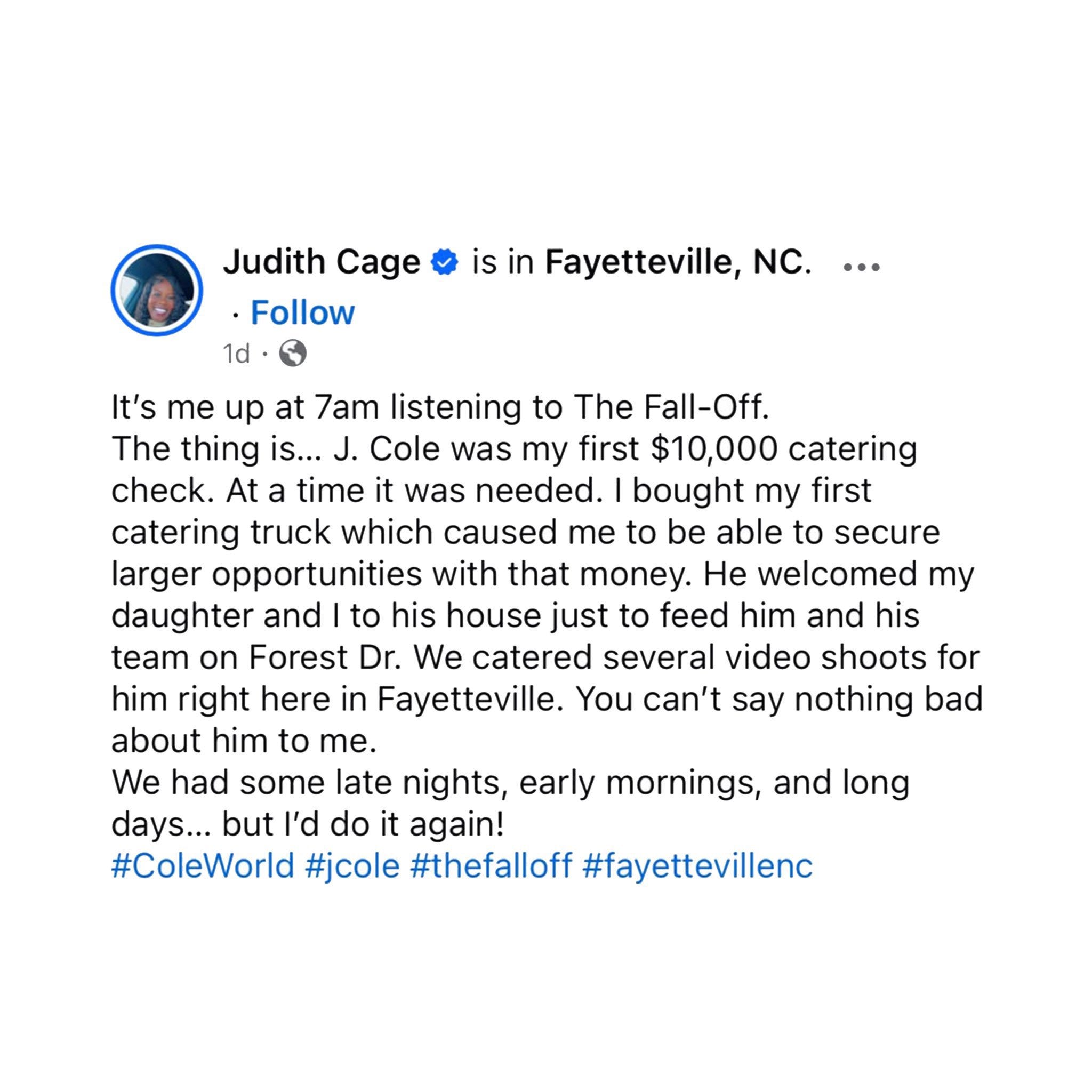
This post from a J. Cole supporter is among the most valuable earned PR an artist can receive. It’s a genuine interaction from his early days that made her a lifelong supporter and reassures the Dreamville supporters that Cole is who he says he is.
II. REWARDING FRICTION THAT FEELS WORTH IT
A common complaint in the artist community is that fans no longer take the time to properly consume music; reviews are instant, and they discard content immediately after the 12am release.
But the evidence suggests otherwise. They will give their attention and their dollars to an artists if it’s worth it.
You’ll find a ton of stories suggesting that Gen Z expects frictionless experiences — and to an extent, that’s believable; we all do. However, I think the deeper point here is that they hope not to encounter friction, but IF they do, it better be worth it.
Consider how many fans rush to see their favorite artist unexpectedly show up on a college campus, or wait in line for hours at Record Store Day for vinyl in 2026.
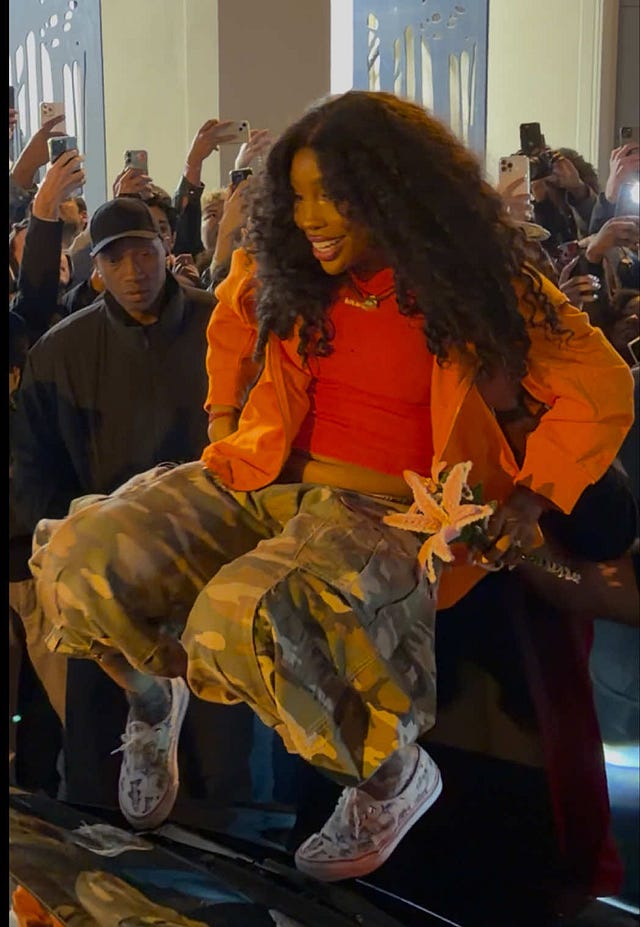
The moment below is from SZA before a show during Kendrick Lamar’s GNX tour, where she popped out to meet fans — something she did frequently during the tour. A small gesture that pays dividends, especially if you didn’t make it inside the venue.
The reality is that consumers will and still do support art, they just don’t wanna feel finessed when they do so because, again… they’re skeptics.
 Tiktok failed to load.
Enable 3rd party cookies or use another browser
THE ARTIST (MODEL) RESPONSE
Artists are recognizing the importance of the personal touch outside of tour, purely to generate excitement and move album units, so they’re now employing different tactics that put them in closer proximity to fans.
These tactics are nothing new, but for the times we’re in, it makes sense for them come back in full force.
I. ALBUM SIGNINGS
Recently, both Cardi B & Summer Walker hosted album signings and meet-and-greets in Atlanta to speak with fans who purchased their albums.
Each artist hosted their signings at DBS Sounds, a local record store on Atlanta’s Southside, which is a huge economic boost to an indie retailer and a morale boost to supporters who may have just enough for an album, but not enough for a tour ticket.
If user content builds the lore, then moments like these serve as intimate, pr-able and controllable moments where artists show love to local (often under-appreciated) markets in a way that’s memorable.
II. HAND TO HANDS
Hand-to-hand sales used to be the standard in the old days, even in the mixtape/DatPiff era.
Budding artists would print thousands of CDs and hand them out personally until their star had grown to the point where it made no sense to do so. Many of the game's biggest rappers started this way, but as streaming moved in, it was abandoned.
But again, pendulum swings, bringing us to our case study:
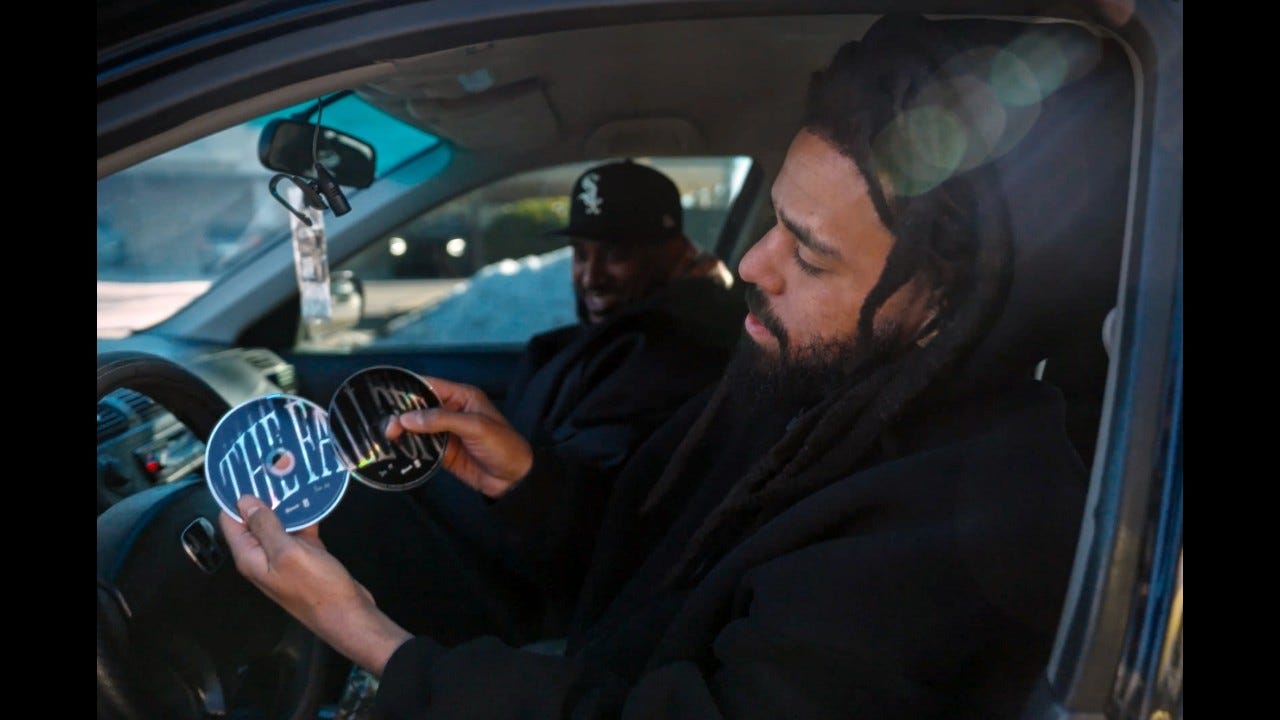
In addition to the D2C efforts Cole has employed for his recent album The Fall Off, he announced the “Trunk Sale” tour a day or so after its release.
The premise was simple: He installed a new engine in the same Honda he and his friends used to ride in before getting signed, and now he’s traveling across different states, selling CDs directly to fans, hand to hand.
The tour has taken over social media with one fan even creating a tracker to see where Cole goes next. A few fans even get to ride with Cole in the car, listening to the album.
III. EXPERIECES & ARTIFACTS
Artists are now recognizing that, to truly hold attention, the creative must be supported in many ways that were again cast aside when streaming became the primary mode of consumption.
But many artists are implementing world-building tactics that extend their album's life beyond the first week and give their overall brand a look and feel that’s easily recognizable in a crowded market.
I. MULTIPLE LIMITED EDITION(S)
Freddie Gibbs is a great example of what happens when you make sure the consumer experience is layered with artifacts.
His most recent project in collaboration with The Alchemist ‘Alfredo 2’ featured a series of different limited edition vinyl pressings with different album covers, along with different lines of merch that are still being refreshed with new visuals despite the album being out for months.
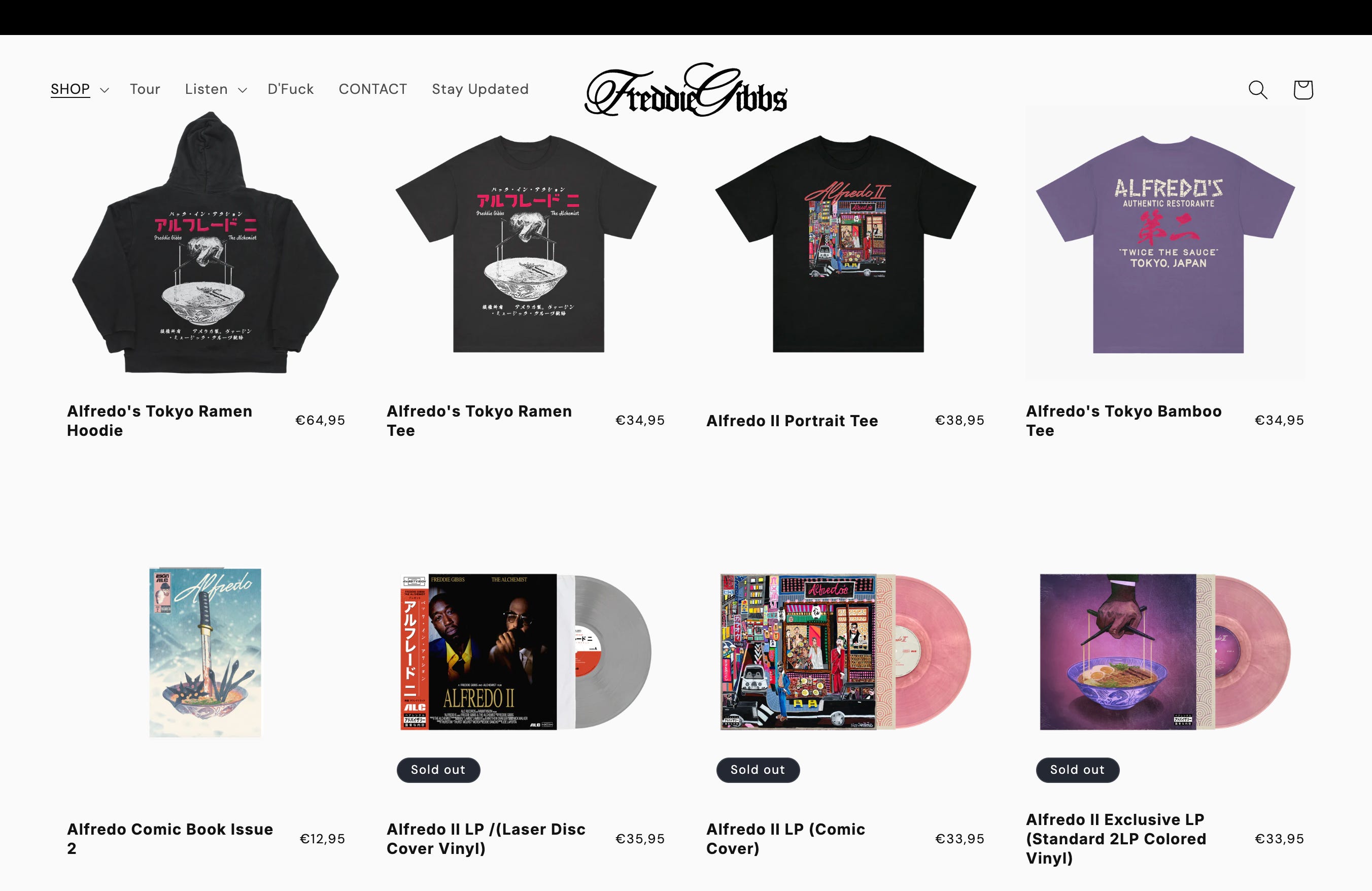
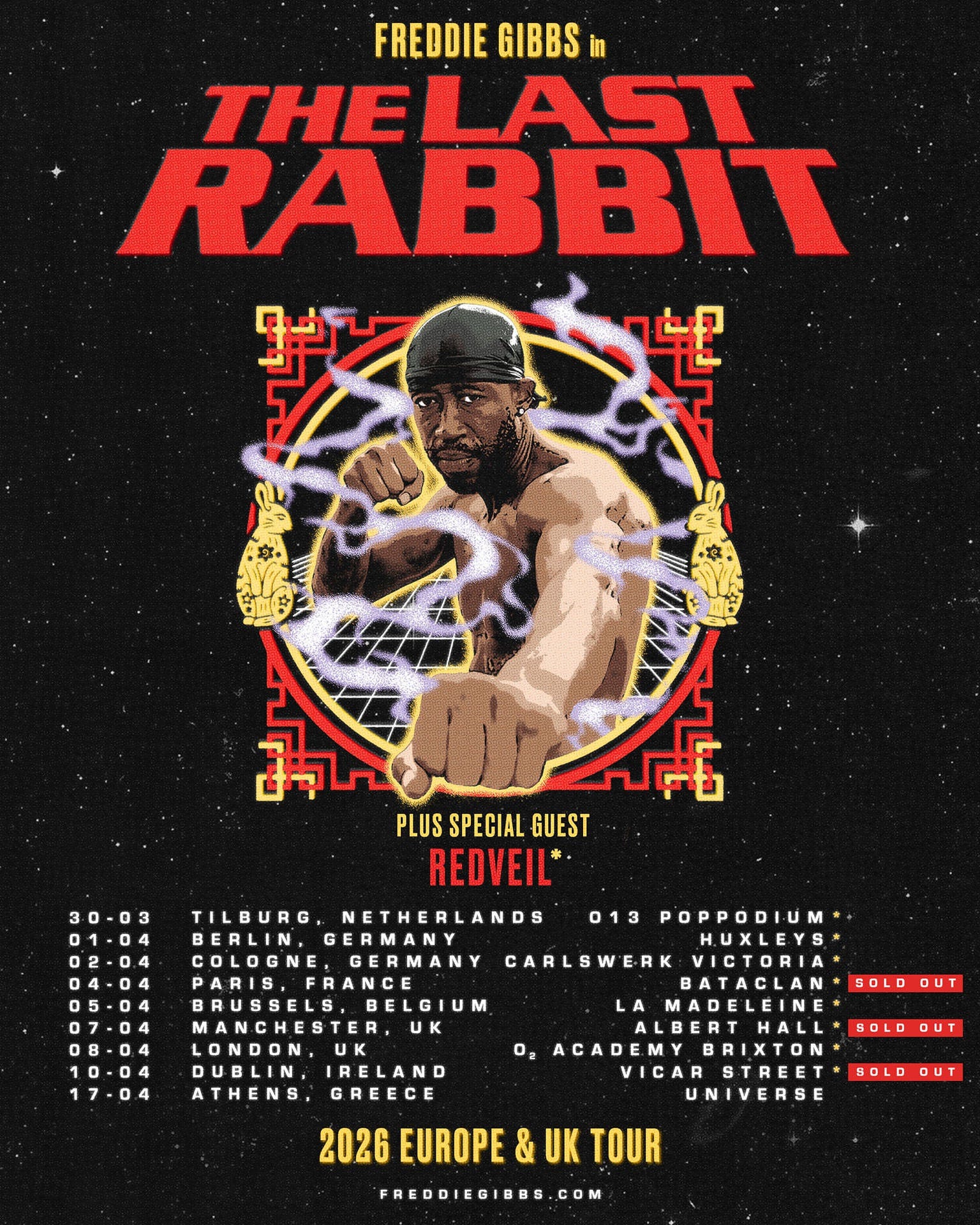
Gibbs recently announced another tour and rather than relying on the artwork that was already attached to the project, he introduced new artwork leveraging his other brand equities (like the rabbit), and culturally resonant movies (i.e., The Last Dragon).
On the surface, it keeps attention because it’s fun and an exciting easter egg for fans who know the inspiration. Ultimately, it works because it’s unique, and fans know he gives a damn.
WHAT NOW?
I think more artists, both in the music industry and across other creative fields, will see the success some of the aforementioned artists are having and find a way to replicate it.
After all, apps change, AIs are constantly improving to the point of being indistinguishable from real life, and even industry legends like Jimmy Iovine believe that streaming is on its last legs.
There’s a myriad of change happening, and all roads point back to where they originated: real people making real things they believe in, sharing those experiences in real time, in a real space, in a real way, with real fans.
The algorithm has shifted y’all.
One.
At the end of The Last Dance the narrator mentioned that MJ achieved his level of international stardom before the era of social media. That has always stayed with me. I got off Twitter at the beginning of last year. I’m probably hopping of Facebook this weekend. I need to revisit Contagious by Josh Berger. It’s the book Nipsey used to learn how to sell his CDs for a G. When I launched my podcast back in the day I was doing a lot of in person stuff and the handful of people who got it, I’m in direct contact with to this day. Even here is beginning to be a little concerning for me. I’m on that appear and disappear artistry vibe that Cillian Murphy and Danial Day Lewis are on. I felt all of what you wrote here and am further inspired. Sorry for the long comment, but thank you, Bro.🙏🏾
Also you should check out Mika Robinson’s “Is This Thing On?” here on the Stack. She’s doing deep dives into this same subject.
All points considered, this week I saw a lot of rumors and teases involving Jimmy Iovine. It’s an excellent scenario for artists to rethink the ways they debut their products and create real connections with communities. And brands like SZA in the video, alongside the sponsorship of her Vans shoes, reinforce that movement.